Project Description
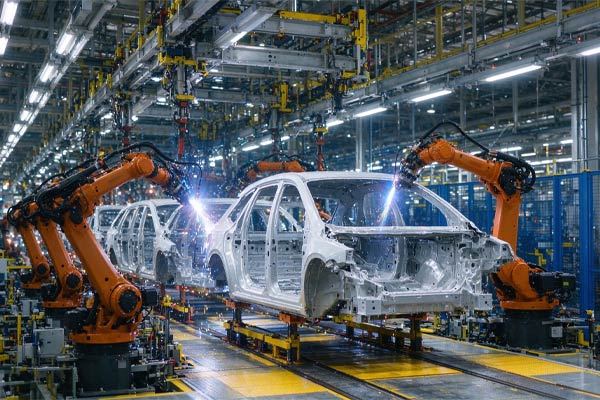
Modern automotive manufacturing covers traditional internal‑combustion vehicles and new‑energy passenger / commercial vehicles. Wide‑range materials include low‑carbon steel, high‑strength AHSS hot‑formed steel, galvanized sheet, aluminum alloy and various thin‑wall automotive tubes. Our fiber‑laser solutions cover body‑in‑white sheet blanking, chassis structural components, seat tubular frames, exhaust pipe parts, bumper crash reinforcements, EV battery tray assemblies, hot‑formed steel trimming, interior‑exterior trim hardware. Support prototype trial‑run, small‑batch variant and high‑volume serial automotive production. Achieve high‑precision contour cutting, hole array machining, bevel preparation and sheet‑tube mixed production.
Application & Advantage
- Process high‑strength hot‑formed steel, aluminum alloy and galvanized automotive sheet metal
- One‑step finish complex contours, dense bolt hole arrays and welding bevels
- Mould‑free flexible processing for frequent automotive prototype & model iteration
- Sheet‑tube integrated machine handles flat sheets and automotive thin‑wall tubular components together
- Stable repeat accuracy, meet strict dimensional requirements for vehicle assembly safety‑critical parts
Segment‑oriented Industry Solutions
Body‑In‑White & Body Panels
Industry Pain Points
Body‑in‑white panels include door inner‑outer plates, roof panels, fender blanks and body reinforcement plates, mainly made of galvanized and high‑strength steel. Traditional stamping needs huge mould investment. New vehicle model development requires many prototype trial‑parts. Stamping mould modification cycle is long for small variant adjustments. Burrs and dimensional deviation will directly affect subsequent body‑in‑white welding assembly quality.
- High stamping‑mould investment for body panel mass‑production
- Long lead‑time for prototype trial‑parts of new vehicle development
- Galvanized sheet easy to produce burr and coating damage by traditional process
- Small design change needs expensive mould re‑work
Our Laser Solution
High‑power fiber laser finishes body‑panel blanking, cut‑outs and mounting holes. Mould‑free for R&D prototype trial‑production. Nitrogen‑assist cutting protects galvanized coating quality. Quick program modification responds to minor body‑panel design adjustments. Fit automotive R&D sample making and low‑to‑medium volume variant production.
- Mould‑free flexible blanking for body‑in‑white prototype parts
- Nitrogen cutting reduce galvanized‑layer damage risk
- Fast program update for minor body‑panel design revision
- Guarantee edge quality for downstream body welding procedure
Chassis & Structural Components
Industry Pain Points
Automotive chassis parts include cross‑member, longitudinal beam, suspension mounting brackets, control‑arm plates, mostly high‑strength steel. Require dense bolt hole groups and welding bevel edges. Traditional sawing, drilling and planing bring accumulated tolerance. Many non‑standard variants for different vehicle platform projects. Safety‑critical parts have very strict tolerance requirements.
- Multi‑step traditional machining brings accumulated hole‑position tolerance
- High‑strength thick plate consumes long processing cycle
- Multi‑platform chassis variants lead to frequent fixture re‑work
- Dimensional error will directly affect vehicle driving safety performance
Our Laser Solution
High‑power laser completes chassis plate outline, dense bolt‑hole arrays and welding bevel in single cutting pass. Eliminate accumulated tolerance from multi‑process. Digital‑driven processing adapts various chassis platform variants without heavy fixture re‑work. Meet safety‑critical chassis component precision requirement.
- One‑step finish contour, bolt‑hole group and welding bevel for chassis plates
- Reduce accumulated positioning error caused by repeated clamping
- Quick program switch for multi‑platform chassis variant projects
- Stable repeat accuracy for safety‑related chassis components
Seat Frames & Interior Brackets
Industry Pain Points
Automotive seat frames adopt thin‑wall high‑strength steel tubes and sheet brackets, contain slide‑rail mounting holes, recliner connection notches. Traditional tube sawing creates heavy burrs. Vehicle interior projects have many custom seat configuration variants. Mixed sheet‑and‑tube parts need two separate production lines. Small‑batch prototype sample demand during vehicle interior upgrade.
- Mechanical tube sawing generates heavy burrs requiring manual deburring
- Thin‑wall seat tube easy to dent under mechanical clamping force
- Multiple seat configuration variants increase mould modification cost
- Sheet‑tube mixed parts need independent sheet and tube processing workflows
Our Laser Solution
Sheet‑tube integrated laser machine processes seat‑frame thin‑wall tubes and sheet brackets in one station. Non‑contact tube cutting avoids dent deformation. Burr‑free notch, slot and mounting‑hole one‑step forming. Mould‑free for different seat‑configuration prototype samples.
- Sheet‑tube‑integrated solution for seat‑frame mixed‑part production
- Non‑contact cutting prevent thin‑wall seat‑tube denting
- Burr‑free tube notch and hole, cut down manual post‑processing
- Fast adapt multi‑variant seat‑configuration trial‑production orders
Exhaust System Parts
Industry Pain Points
Exhaust system components include exhaust manifold flanges, muffler shells, heat‑shield plates, exhaust thin‑wall stainless‑steel tubes. Material is heat‑resistant stainless steel. Traditional tube sawing and milling produce burrs. Different engine platform brings many exhaust‑pipe variant designs. High requirement for edge quality before exhaust‑part welding assembly.
- Heat‑resistant stainless‑steel hard‑to‑machine by traditional sawing
- Tube sawing leaves burr which influences exhaust‑system welding quality
- Many exhaust‑pipe variants for different engine platform projects
- Thin exhaust shell sheet easy to deform by mechanical stamping
Our Laser Solution
Laser handles heat‑resistant stainless‑steel exhaust tubes and flange plates. Realize burr‑free tube end cutting, notches and flange hole arrays. Sheet‑tube integrated machine matches muffler shell sheet and exhaust tubular parts together. Digital‑driven quickly respond exhaust‑system variant development.
- Good cutting performance for heat‑resistant stainless‑steel exhaust material
- Burr‑free tube & flange edge, improve exhaust‑system welding quality
- Sheet‑tube‑integrated machine complete shell sheet and exhaust tube parts
- Fast iteration for new‑engine‑platform exhaust‑component prototype
Bumper & Crash Reinforcement Parts
Industry Pain Points
Automotive bumper and crash‑beam reinforcement components use high‑strength steel and aluminum alloy. Require crash‑beam tube notches, mounting hole arrays, energy‑absorbing bracket blanks. Safety‑related parts demand high dimensional repeatability. New vehicle crash‑structure optimization brings frequent drawing changes. Traditional process needs expensive stamping mould sets.
- High‑strength bumper material brings heavy load for traditional stamping mould
- Crash‑structure optimization leads to frequent drawing revision
- Safety‑critical reinforcement parts have strict dimensional consistency demand
- Prototype trial‑run cost is high if relying on stamping mould
Our Laser Solution
Fiber laser cuts bumper energy‑absorbing brackets, crash‑beam tube notches and mounting hole groups. Mould‑free processing for crash‑structure optimization prototype test parts. Stable repeat accuracy guarantees safety‑component dimension consistency. Adapt bumper parts R&D sample and medium‑volume variant production.
- Mould‑free produce crash‑test prototype bumper & reinforcement parts
- One‑step forming for crash‑beam notch, slots and mounting‑hole arrays
- Stable repeat accuracy for safety‑critical crash‑related components
- Quick respond to crash‑structure drawing optimization and revision
EV Battery Pack & Tray Components
Industry Pain Points
New‑energy vehicle battery‑system parts mainly are aluminum alloy tray housing, reinforcing gussets, cooling‑plate brackets, module mounting plates. Aluminum alloy material has high reflectivity. Parts require low‑burr, low‑deformation cutting for subsequent sealing welding. Different EV platform bring various battery‑tray structure variants. Prototype iteration frequency is very high during EV development.
- High‑reflectivity aluminum‑alloy battery‑tray is difficult for traditional cutting
- Burr or thermal deformation will seriously affect battery‑housing sealing performance
- Different EV platform produce large amount of battery‑tray variant drawings
- EV project has many rounds of battery‑pack prototype iteration test
Our Laser Solution
High‑power fiber‑laser with special aluminum‑processing parameter database handles battery‑tray aluminum‑alloy plates. Realize low‑burr, low‑deformation cutting for tray housing, reinforcement gussets and module mounting plates. Mould‑free to support multi‑round EV battery‑pack prototype iteration test. Fit new‑energy vehicle R&D and volume production variants.
- Stable high‑reflectivity aluminum‑alloy battery‑tray plate cutting
- Control burr & thermal deformation, guarantee battery‑housing sealing‑welding condition
- Mould‑free for multi‑round battery‑pack prototype iteration test
- Quick adapt different EV‑platform battery‑tray structural variants
Hot‑Formed High‑Strength Steel Parts
Industry Pain Points
Hot‑formed steel (AHSS / Usibor) widely used for automotive A‑pillar, B‑pillar, threshold reinforcement parts. Material hardness is extremely high after hot stamping. Traditional punching‑die suffers severe wear and short service‑life. New vehicle model development needs many hot‑formed prototype trimming samples. Punching‑die modification cycle is long and expensive for small design adjustments.
- Ultra‑high‑strength hot‑formed steel causes serious punching‑die abrasion
- High cost and long delivery cycle for custom hot‑formed trimming die
- New‑car R&D phase needs large quantity of prototype trimming test‑parts
- Minor structure revision requires whole trimming‑die re‑manufacture
Our Laser Solution
Fiber‑laser cutting has no mechanical contact with hot‑formed workpieces, no die‑wear problem. Complete trimming, contour cutting and hole piercing for hot‑formed steel components. Mould‑free for new‑vehicle hot‑formed‑part prototype test. Program modification realizes fast response to minor structural revisions.
- Non‑contact processing, completely avoid hot‑formed‑steel die‑abrasion problem
- Finish trimming, contour and piercing for AHSS hot‑formed steel workpieces
- Mould‑free solution for hot‑formed‑steel prototype test‑parts of new‑car R&D
- Only edit cutting‑program to realize minor‑structure revision without die re‑work
Automotive Trim & Interior‑Exterior Hardware
Industry Pain Points
Automotive interior‑exterior trim hardware includes decorative brackets, interior fixing clips, exterior ornamental metal pieces, door‑decor metal parts. Many small complex special‑shape parts. Traditional stamping mould investment is not economical for small‑batch variant samples. Parts have strict surface‑quality requirement; stamping mechanical scratch will affect final vehicle appearance.
- Many complex special‑shape small trim‑hardware components
- Small‑batch variant prototype makes stamping‑mould low‑economic benefit
- Mechanical stamping easily brings scratch and deformation on visible decorative parts
- Vehicle facelift projects bring frequent trim‑hardware drawing changes
Our Laser Solution
Precision fiber‑laser completes complex outline and hole cutting for automotive interior‑exterior trim hardware. Non‑contact processing avoid mechanical scratch on decorative surfaces. Mould‑free for facelift‑project trim‑hardware prototype samples. Nitrogen‑assist cutting obtain clean edges for subsequent surface coating treatment.
- Arbitrary complex special‑shape trim‑hardware contour & hole one‑step cutting
- Non‑contact cutting protect visible decorative‑part surface quality
- Mould‑free for vehicle facelift‑project trim‑hardware trial‑production
- Clean nitrogen‑cut edge ready for painting and surface finishing procedure